A global cultural player in transition towards a sustainable future
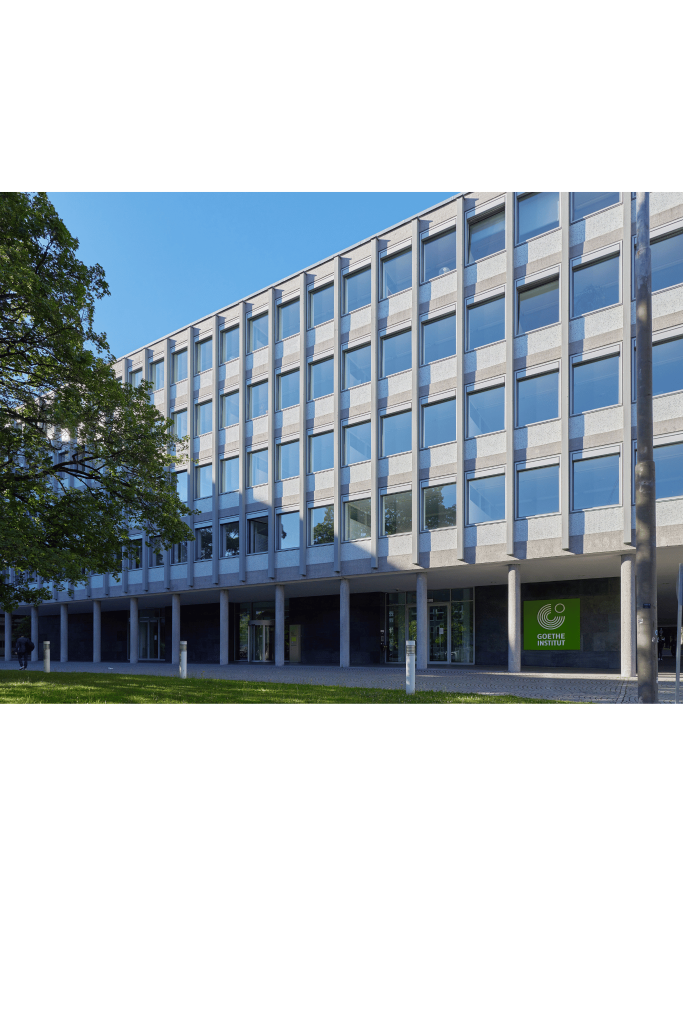
The Goethe-Institut is the Federal Republic of Germany’s globally active cultural institute. With around 150 institutes in 99 countries, it promotes the German language, creates spaces for dialogue, and reaches millions of people each year through language courses, cultural programs, and educational formats. It is part of the Institute’s self-image to build bridges; it strengthens democratic values and enables encounters between people from different walks of life and cultures.
Sustainability has been present at the Goethe-Institut for many years – programmatically, strategically and increasingly structurally. A systematic sustainability management system has been set up since 2020, initially based on the German Sustainability Code (DNK) and the indicators of the Global Reporting Initiative (GRI indicators). The challenge of recent years: the switch to the complex requirements of the European Sustainability Reporting Standards (ESRS).

Why CSR Tools? A pragmatic answer to complex requirements
In order to make the transformation towards ESRS efficient and structured, the Goethe-Institut decided to use several CSR Tools solutions:
- Materiality Assessment Excel Template
- VSME data point list
- Sustainability strategy consulting
- Support in sustainability communication
The pragmatic orientation was decisive: solutions should be easy to use, without high follow-up costs, and at the same time offer a good balance of price, performance and professional advice.
In everyday use, the tools primarily serve as structuring aids, especially for data collection, analysis and the further development of sustainability indicators.
Impact: Contemporary sustainability reporting
By using CSR Tools, the Goethe-Institut was able to simplify central work processes in sustainability reporting. The following were particularly effective:
Clear and efficient processes
The templates and data point lists facilitate internal data collection and create a uniform understanding of key figures and requirements.
More quality in the process
CSR Tools also served as a professional sparring partner, especially when it came to the question of how complex ESRS requirements can be transferred to their own reporting.
Satisfied internal stakeholders
The VSME* data point list (*Voluntary Sustainability Reporting Standard for non-listed Small and Medium-sized Enterprises) has proven to be particularly helpful, especially in controlling. It provides a systematic, comprehensible data basis.
A look ahead
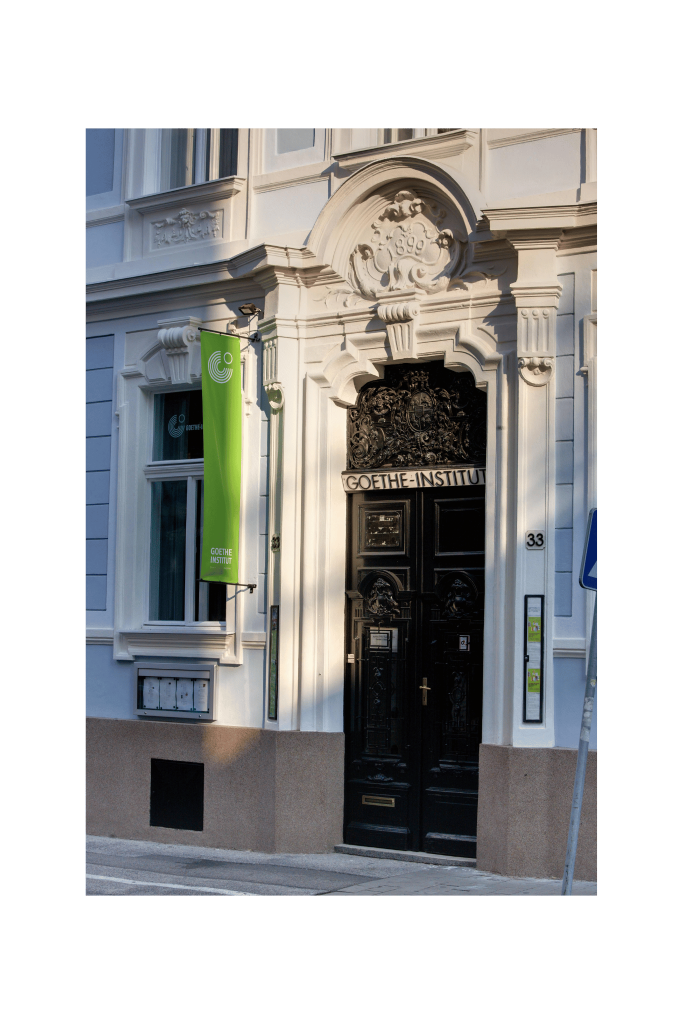
The Goethe-Institut not only makes sustainability the content of its cultural and educational programs; sustainability is a lived practice. The Goethe-Institut is committed to sustainable transformation. It consciously understands this as an ongoing process and not as a one-off project. An external critical view and sparring at eye level is always an advantage from time to time. The Goethe-Institut’s Sustainability Officer emphasizes the positive experiences with CSR Tools’ products:
Concluding classification
The collaboration between the Goethe-Institut and CSR Tools shows that even large, complex and internationally operating organizations can successfully navigate the transformation of ESRS requirements with clear, manageable tools and targeted content support.
The mix of structured templates, professional sparring and appreciative collaboration provided the Goethe-Institut with exactly what it needed in this phase: orientation, simplification and quality.